Beyond Metrics: A Smarter Way to Drive Workforce Engagement


A small business owner once told me, “It’s not the work, it’s the silence between people.”
His team was talented, but disconnected. Turnover was high, and morale was slipping.
In this article, we’ll explore how workforce engagement, when done right, builds stronger teams, improves outcomes, and creates a culture people want to be part of.
TL;DR – What You’ll Learn
- Workforce engagement = tools + clarity + coordination, not just morale.
- 3 drivers move engagement most: trust-building leadership, real recognition, and reliable communication systems.
- Distributed teams stay engaged when workflows are flexible and collaboration happens in one shared place.
- Case study: A distributed team shows how unified platforms remove friction and restore momentum.
- Engagement improves fastest when you measure signals early and act on them.
What is workforce engagement?
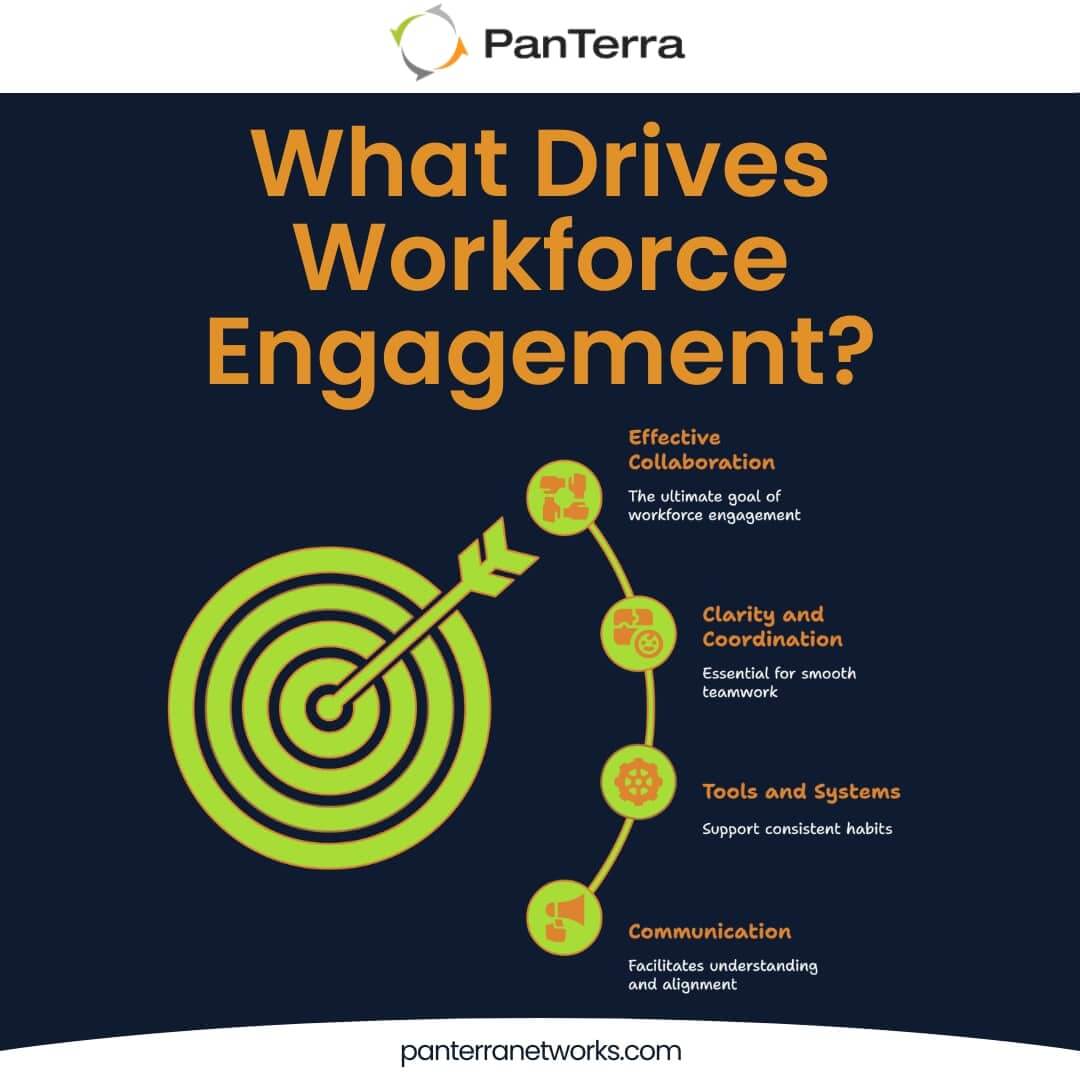
Workforce engagement refers to how effectively teams can do work together, based on shared tools, clarity, and communication.
Workforce Engagement vs. Employee Engagement
At first glance, workforce engagement and employee engagement might seem interchangeable. But they focus on different things, and that distinction matters.
Employee engagement refers to how someone feels at work. It involves motivation, satisfaction, and emotional connection. These are important, but they don’t always reflect how well a team functions or collaborates.
Workforce engagement takes a wider perspective. It looks at whether people have the tools, clarity, and support they need to contribute effectively as a team. This includes shared systems, consistent communication, and goal alignment.
We worked with a distributed sales team that showed strong satisfaction scores, back in the day. Team members liked their manager, appreciated the flexibility, and believed in the company.
Even so, deadlines were often missed, updates got lost in inboxes, and collaboration felt reactive.
These issues came from a lack of shared visibility and coordination. Once the team adopted a clearer communication framework and better tools, their productivity improved quickly.
A Holistic Approach to Workforce Engagement
Sustainable workforce engagement requires more than good intentions.
It depends on the systems, habits, and tools that shape the way people work together every day.
Cloud communication platforms support these efforts by simplifying how teams interact. When conversations, files, and updates live in one place, work feels coordinated and teams spend less time chasing context.
Engagement improves when teams feel the structure around them is working in their favor. It takes cultural alignment, operational clarity, and the right technology working together to make that possible.
Why should Workforce Engagement be a Business Priority?
Because disengaged teams drive turnover, productivity loss, and avoidable operating costs—especially in small distributed teams.
Gallup's 2024 report found only 30% of U.S. workers are engaged. Low engagement links to higher absenteeism, lower productivity, and increased turnover.
For small businesses running remote or hybrid teams, the cost shows up fast
What are the core drivers of workforce engagement?
Three factors drive workforce engagement most: trust-building leadership, meaningful recognition, and a strong communication foundation.
Effective Leadership That Builds Trust
Leadership shapes how engagement takes root inside a team. What matters most is not a title or a vision statement, but the way leaders communicate and support others in their daily work.
At a mid-sized IT company I helped last year, one department lead replaced formal reports with short weekly check-ins.
Over time, collaboration improved, and the team worked more smoothly with fewer delays.
When people feel that their concerns are acknowledged and their input is valued, trust begins to take shape. This doesn’t require grand gestures. Often, it starts with consistency, responsiveness, and clear direction.
Reliable communication systems can make this easier, especially in hybrid or remote settings. Tools that offer visibility and simplify interaction help leaders stay engaged.
Meaningful Recognition and Feedback Systems
Recognition doesn’t need to be flashy to have an impact. What matters most is that it feels timely, specific, and genuine.
A 2024 study found clear results: remote employees who received consistent, authentic recognition showed higher engagement and lower intent to leave.
When feedback becomes a regular part of how teams work, it strengthens culture, builds trust, and supports long-term performance.
Technology can support recognition without making it impersonal. Digital tools track milestones, share shout-outs, and collect input across teams.
Used with care, they strengthen culture instead of replacing it.
How can Technology enable Workforce Engagement?
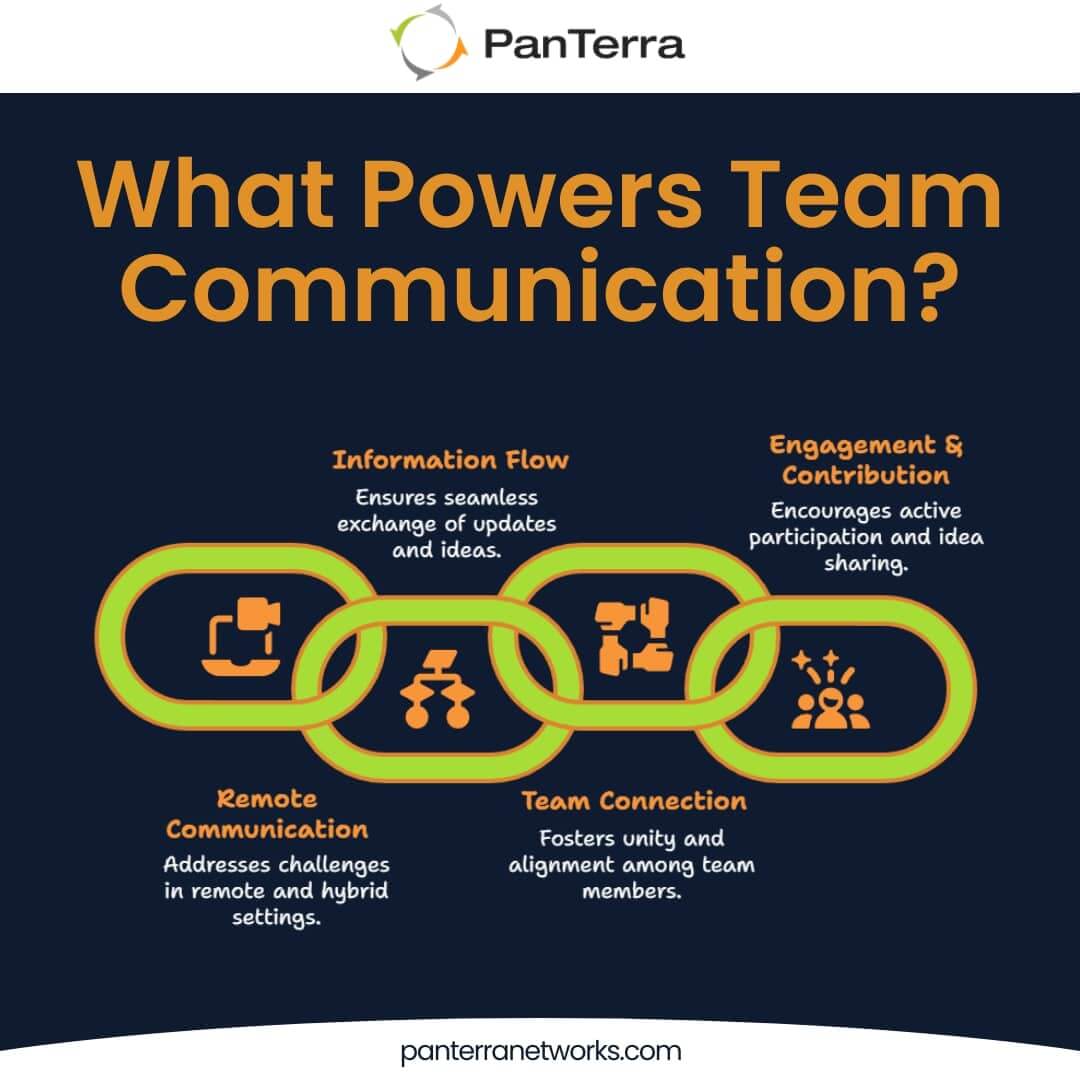
Strong communication keeps teams connected and aligned.
Without it, even the most talented groups struggle to move in the same direction. Misunderstandings build up, updates get lost, and small delays become blockers.
This challenge becomes even more visible in remote and hybrid environments, where informal conversations no longer happen naturally. In these cases, the right communication tools make all the difference.
When communication flows naturally across locations, departments, and roles, teams feel more informed and less isolated.
And when people feel connected, they’re more likely to stay engaged, contribute ideas, and respond quickly when things change.
How can distributed teams stay engaged?
Distributed engagement holds when teams have flexibility, shared visibility, and tools that reduce collaboration friction.
Empowering People Through Flexibility and Tools
Work environments continue to evolve. Engagement now depends on tools, structure, and barrier-free collaboration.
Flexibility matters. When people manage their time with autonomy, they stay more connected to their work. This creates room for adapted workflows without losing coordination.
Unified systems reduce friction by centralizing conversations, files, and updates. Teams move with more clarity and less interruption.
How do distributed teams fix broken file sharing and collaboration?
By replacing fragmented FTP handoffs with a unified platform that centralizes access and updates.
Before making any platform changes, the team at Dial Communications had reached a point of growing frustration. They were using FTP to share files with clients and teams. The process was slow, expensive, and required new passcodes for each download.
Team members were committed, but fragmented systems slowed them down. They couldn't track changes, maintain version control, or respond to clients without friction.
The company replaced FTP handoffs with a unified platform that centralized file sharing, permissions, and real-time collaboration.
File transfers became faster with fewer errors. Clients got information without delays while internal communication improved team coordination.
Workforce Engagement: Measuring and Adapting in Real Time
Workforce Engagement needs consistent attention. Teams require simple ways to understand what’s working and where support may be falling short.
Regular check-ins are helpful, but they don’t always give the full picture, especially in larger or remote teams.
Digital tools can support this process by tracking trends without becoming intrusive. A steady drop in collaboration across departments, for example, might suggest unclear priorities or missing context.
The most important part is what happens next. Engagement improves when feedback leads to action, not just reflection.
Are You Empowering or Exhausting Your Workforce?
Behind every tool, every process, and every KPI, there are people doing their best to show up and contribute.
Some are energized by the clarity and support around them. Others are trying to stay afloat in a system that makes work harder than it needs to be.
Workforce engagement doesn’t begin with a dashboard, and it doesn’t end with a recognition program: it lives in how people are treated and whether their time goes to meaningful work.
If something feels off, pay attention. Subtle signals often come first.
The first step is to listen, followed by taking intentional action.
We’ve been helping organizations simplify communication, improve alignment, and support real-time collaboration across every team for over a decade.
Reach out to learn how we can support yours too.
Workforce Engagement FAQs
Why does workforce engagement matter for customer experience and ROI?
Highly engaged teams tend to deliver stronger customer satisfaction, higher productivity, fewer errors, and lower turnover. Large‑scale meta‑analyses link higher engagement to better business outcomes including profitability, quality, safety, and retention, while disengagement is associated with substantial losses in productivity and increased replacement costs.For customer-facing operations, that translates directly into faster resolution times, better CX scores, and lower hiring and training spend.
How does AI improve workforce engagement?
AI reduces noise and manual work so employees can focus on meaningful interactions. In PanTerra’s ecosystem, capabilities like AI‑based Agent Assist, Luna AI Receptionist, real‑time transcription, automated summaries, and intelligent routing help agents resolve issues faster, cut after‑call work, and get in‑the‑moment guidance instead of post‑hoc criticism. When people feel supported by smart tools rather than micromanaged by metrics, stress drops and engagement usually rises.
How do you measure workforce engagement in a contact center or customer-facing team?
Strong WEM programs combine operational KPIs with employee‑centric metrics. Typical measures include:
- Contact center KPIs like average handle time, first‑contact resolution, service levels, and abandon rate.
- People metrics such as turnover, absenteeism, schedule adherence, internal mobility, and completion of coaching and training.
- Experience metrics including CSAT, NPS, employee NPS (eNPS), and regular pulse surveys capturing sentiment about workload, clarity, and tools.
Streams.AI’s analytics and reporting layer makes it easier to track these signals in one place and connect engagement trends to specific behaviors, channels, and workflows.
How often should organizations measure workforce engagement?
Most organizations see the best results from a mix of continuous listening and periodic deep dives:
- Real‑time: dashboards, quality scores, sentiment analytics, and quick post‑interaction micro‑surveys.
- Monthly or quarterly: short pulse surveys and team health checks to spot trends early.
- Annually: a more comprehensive engagement survey linked to culture and strategy.
Whatever cadence you choose, engagement data only moves the needle if you close the loop quickly: share results, act visibly, and show employees how their feedback changed decisions.
Can small and mid‑sized businesses benefit from workforce engagement management?
Absolutely. While WEM started in large contact centers, cloud platforms now let small and mid‑sized businesses access the same capabilities—like forecasting, AI assistance, analytics, and omnichannel communications—without heavy infrastructure or IT lift. SMBs often see outsized gains because even small improvements in retention, speed, or customer experience directly impact revenue and owner bandwidth.
To get started, smaller organizations can:
- Unify communication onto a single platform so response times, collaboration patterns, and customer interactions are easy to measure.
- Focus on a small metric set (e.g., CSAT, FCR, eNPS, and turnover) and review them monthly.
- Add lightweight feedback loops—like weekly pulse questions or short surveys after key customer journeys.
- Use the data for coaching, not punishment, and publicly recognize improvements.
What if agents or managers resist new workforce engagement tools or initiatives?
Resistance is usually about trust and clarity, not just technology. Research on change management and employee involvement shows that engagement rises when people understand the “why,” are involved early, and see how changes benefit them—not just the business.
Practical tactics:
- Co‑design dashboards and metrics with frontline leaders.
- Be explicit about what’s being measured and how it will be used (e.g., to target coaching, recognize wins, and remove blockers).
- Start with a few high‑value use cases—like AI summaries to reduce after‑call work or analytics to spot coaching opportunities—and use internal champions to share quick wins.
How does PanTerra help keep workforce engagement secure and compliant?
In regulated sectors like healthcare, finance, and government, engagement tools must meet strict security and privacy standards. PanTerra’s Streams.AI platform is built with enterprise‑grade controls—encryption, multi‑factor authentication, role‑based access, detailed audit trails, and support for frameworks such as HIPAA and SOC 2—so you can record, analyze, and act on communications data without compromising compliance.
.jpg?width=500&height=500&name=Are%20you%20Getting%20a%20Good%20Deal%20(1).jpg)
Comments